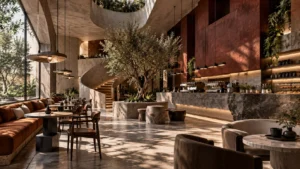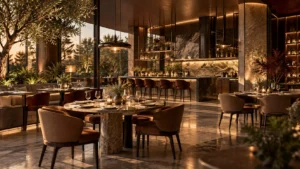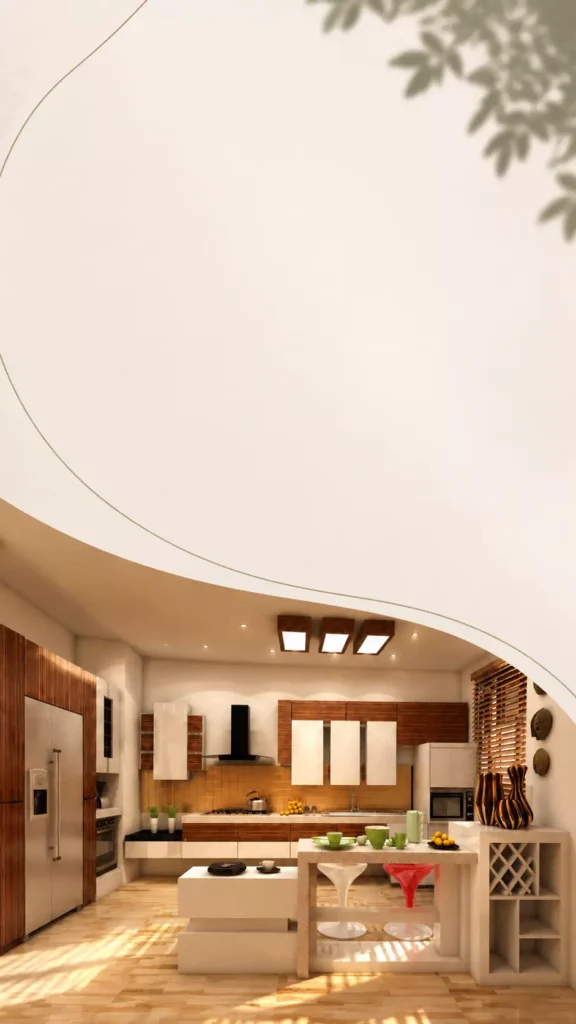
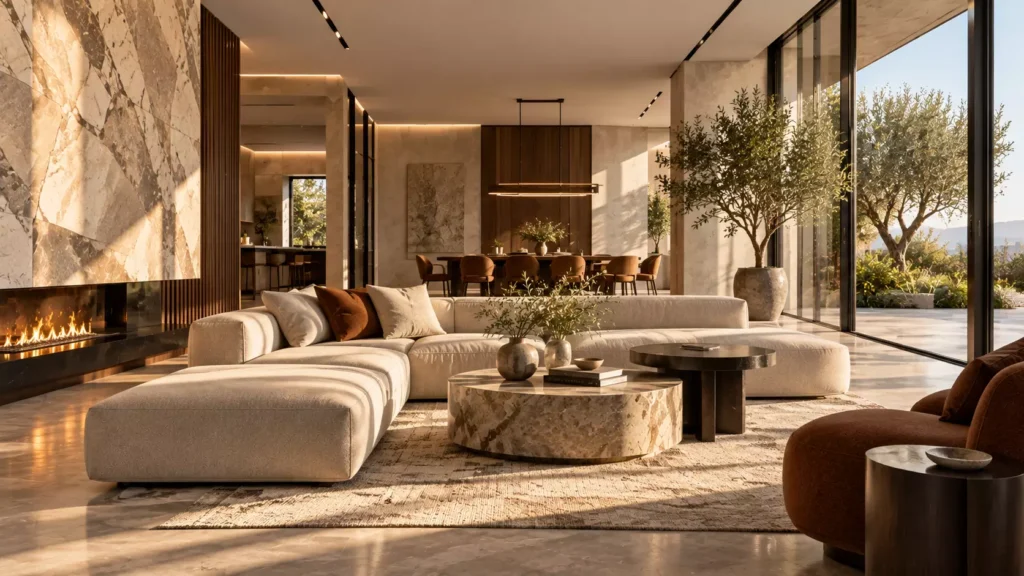
Modern interior design is more than a visual style. It is an approach to creating spaces that feel balanced, functional and visually refined while remaining relevant over time. A successful modern interior combines thoughtful space planning, natural light, carefully selected materials, comfortable furniture and architectural details to create an environment that works as beautifully as it looks.
At SOSHA Design, we believe timeless interiors begin with understanding how people experience a space. From residential interiors and private villas to restaurants, cafés and commercial environments, every design decision should contribute to a cohesive architectural experience.
In this guide, we explore 10 essential principles of modern interior design and how they can help create sophisticated, comfortable and lasting spaces.
1. Start With Thoughtful Space Planning
One of the most important principles of modern interior design is effective space planning.
Before selecting furniture, finishes or decorative elements, the relationship between spaces should be carefully considered. Circulation, functionality, proportions and visual connections all influence how comfortable an interior feels.
A well-planned interior allows people to move naturally through the space while ensuring that every area has a clear purpose. Open-plan living areas, connected dining spaces and flexible layouts can create a sense of continuity without sacrificing functionality.
The goal is not simply to make a room look larger. It is to create a space that feels intuitive and responds to the way people actually live and work.
2. Make Natural Light Part of the Design
Natural light can completely transform an interior.
Large windows, glazed openings, skylights and carefully positioned architectural elements can introduce daylight deep into a space while creating changing patterns of light and shadow throughout the day.
In modern interior design, natural light should be considered from the early stages of the architectural process rather than treated as an afterthought.
The orientation of windows, choice of glass, interior finishes and furniture placement can all influence how daylight is experienced.
A thoughtful approach to natural light can make interiors feel brighter, more spacious and more connected to their surroundings.
3. Choose Materials With Purpose
Materials play a central role in defining the character of an interior.
Natural stone, wood, glass, metal and carefully selected textiles can introduce different textures, temperatures and visual qualities. The best interiors do not necessarily use the most materials; they use the right materials in the right places.
For example, natural stone can provide durability and a sense of permanence, while wood can introduce warmth and softness. Glass can visually connect different areas and increase the perception of openness.
Material selection should therefore consider aesthetics, durability, maintenance and performance together.
4. Create a Balanced Material Palette
Using quality materials is important, but combining them effectively is even more important.
A refined interior usually benefits from a controlled material palette rather than an excessive number of finishes. A combination of warm wood, natural stone, neutral surfaces and subtle metal details can create depth without visual clutter.
Contrast can also be used strategically.
A textured stone wall against smooth plaster, or warm timber alongside glass and metal, can create a sophisticated relationship between different surfaces.
The objective is to create harmony while allowing individual materials to maintain their identity.
5. Focus on Proportion and Scale
Furniture and architectural elements should relate to the dimensions of the room.
Oversized furniture in a small interior can make the space feel crowded, while furniture that is too small can make a large room feel disconnected.
Proportion and scale are fundamental principles of successful interior architecture because they influence how balanced a space feels.
Ceiling height, window dimensions, furniture size, lighting fixtures and architectural features should all be considered as part of one visual composition.
When these elements are correctly proportioned, the interior can feel calm and naturally balanced.
6. Use Lighting to Shape the Atmosphere
Good interior lighting goes beyond simply making a room visible.
A successful lighting strategy combines different layers, including ambient lighting, task lighting and accent lighting.
Architectural lighting can highlight materials, artwork, architectural details and circulation paths, while decorative fixtures can contribute to the identity of a space.
In restaurants and cafés, lighting can influence the atmosphere and dining experience. In residential interiors, it can help a space transition from bright daytime activity to a more intimate evening environment.
For this reason, architectural lighting should be integrated into the design from the beginning.
7. Bring Nature Into the Interior
Modern interiors can sometimes become overly dependent on hard surfaces and artificial elements.
Introducing greenery, natural textures and visual connections to outdoor spaces can create a more comfortable environment.
Plants, natural stone, timber, water features and large windows can help strengthen the relationship between architecture and nature.
This principle is particularly important in contemporary residential and commercial design, where creating a sense of calm and connection can significantly improve the experience of the space.
8. Design for Functionality and Comfort
A beautiful interior should also be practical.
Every design decision should respond to the needs of the people using the space. Storage, circulation, furniture ergonomics, acoustics, lighting and maintenance all contribute to the long-term success of an interior.
This is especially important for commercial interior design, where spaces need to support specific activities and workflows.
A restaurant needs efficient circulation between the kitchen, service areas and dining spaces. An office needs comfortable workstations and collaborative areas. A home needs flexibility, privacy and practical storage.
Design should always support the way a space is used.
9. Integrate Technology Carefully
Technology has become an important part of contemporary interiors.
Smart lighting, automated shading, intelligent climate control, integrated ventilation and home automation systems can improve comfort and energy performance without dominating the visual character of a space.
The best approach is often to make technology feel almost invisible.
Controls and systems should be integrated into the architecture wherever possible, allowing technology to support the user experience while maintaining a clean and timeless aesthetic.
This creates a balance between modern technology and architectural simplicity.
10. Design for Longevity
Perhaps the most important principle of modern interior design is creating spaces that can remain relevant over time.
Trends change quickly, but thoughtful architecture, natural materials, balanced proportions and quality craftsmanship can remain attractive for decades.
A timeless interior does not mean an interior without personality. Instead, it means avoiding unnecessary trends and focusing on elements that have lasting architectural and functional value.
Natural stone, quality wood, carefully designed lighting and well-proportioned architectural details can provide a strong foundation that allows smaller decorative elements to evolve over time.
What Makes an Interior Truly Timeless?
A timeless interior is created through a combination of function, materiality, light, proportion and craftsmanship.
Rather than following every new trend, the design should respond to the architecture, location, climate and people who will experience the space.
At SOSHA Design, our approach combines architecture, interior design, landscape and lighting to create connected spatial experiences. We consider materials, natural light, technology, sustainability and functionality as parts of the same design process.
The result is not simply a visually attractive room. It is a space designed to remain comfortable, meaningful and relevant for years to come.
Final Thoughts
Modern interior design is ultimately about finding the right balance between aesthetics and everyday life.
Thoughtful planning, natural light, carefully selected materials, intelligent lighting, comfortable proportions and sustainable solutions can transform an ordinary space into an environment with lasting character.
Whether you are planning a private residence, villa, restaurant, café or commercial project, the most successful interiors begin with a clear understanding of the people, architecture and purpose behind the space.
At SOSHA Design, we approach every project as a connected design experience—from the architectural concept to the smallest interior detail.
Have a project in mind? Let’s create a space designed around your vision.